The 12 Houses in Astrology, Explained
June 17, 2026 · 7 min read
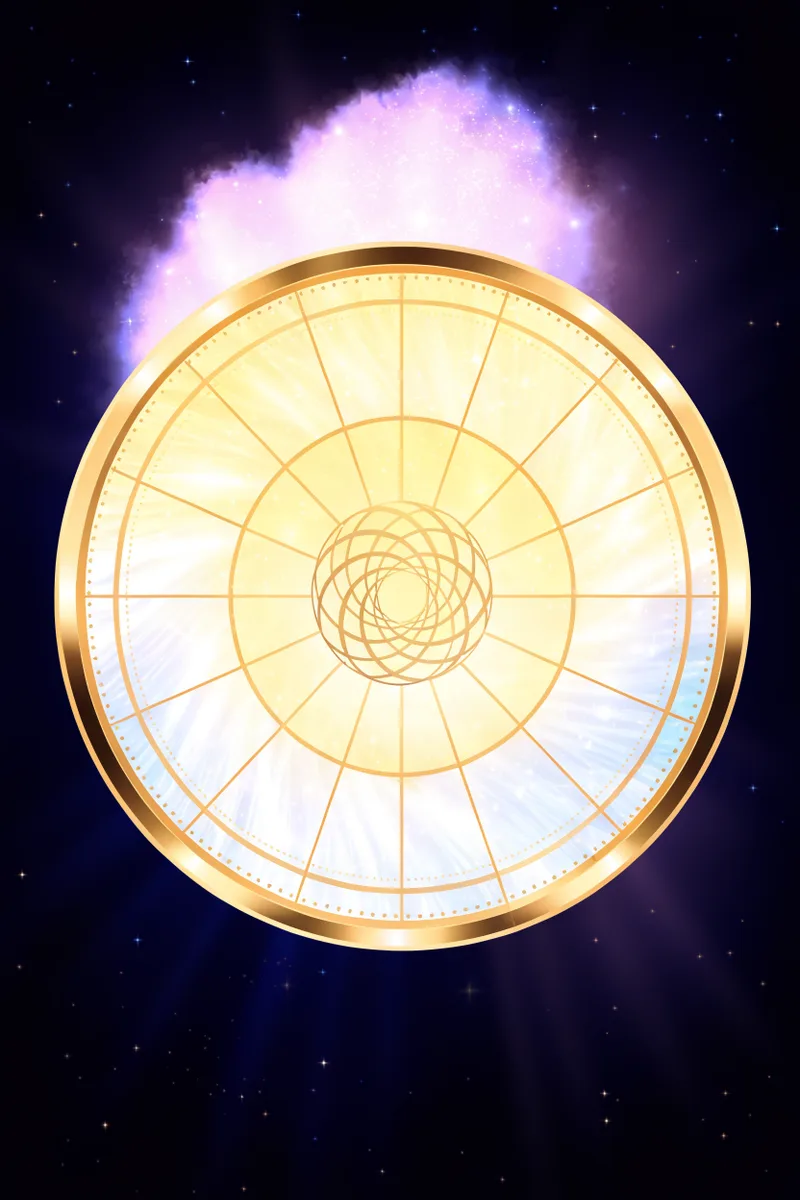
If the planets in your chart are the actors and the signs are their costumes, the twelve houses are the stages they perform on. Each house governs a different area of life, and the planets that fall in it show where your energy naturally concentrates. Here's a plain-English tour of all twelve.
How the houses work
The birth chart is a circle divided into twelve slices — the houses — anchored by your rising sign on the left. They always run in the same order and cover the same themes, moving from the self outward to the wider world. A planet's sign is how it expresses; its house is where in your life it shows up.
Houses 1–4: the personal foundation
The 1st house is the self — your identity, appearance and first impression. The 2nd rules money, possessions and self-worth. The 3rd covers communication, learning and siblings. The 4th is home, family and your roots — the most private corner of the chart.
Houses 5–8: connection and exchange
The 5th house is romance, creativity, children and play. The 6th rules work, routine, health and service. The 7th is partnership — marriage, business partners and open relationships. The 8th covers intimacy, shared resources, transformation and the deeper, hidden things.
Houses 9–12: the wider world and the unseen
The 9th house is travel, higher learning, philosophy and belief. The 10th is career, reputation and public life. The 11th rules friendships, networks and hopes for the future. The 12th — the most mysterious — governs the subconscious, solitude, spirituality and what's hidden from view.
Reading your own houses
To find which house each planet falls in, you need your exact birth time, since the houses rotate roughly every two hours. Generate your birth chart and look at where the planets cluster: a stack of planets in one house shows a life area that's especially charged for you. Empty houses aren't bad — they're simply areas that run on autopilot.
More from the blog
What Is a Birth Chart? A Beginner's Guide
Your birth chart is a snapshot of the sky the moment you were born — here's what every part of it means.
Your Big Three: Sun, Moon & Rising Signs Explained
Sun, Moon and Rising — the three signs that define you, and why your star sign is only a third of the story.
How to Read Your Birth Chart, Step by Step
The birth chart wheel can look intimidating. Here's a beginner-friendly order to read it in.