What Is Your North Node (and South Node)?
June 17, 2026 · 5 min read
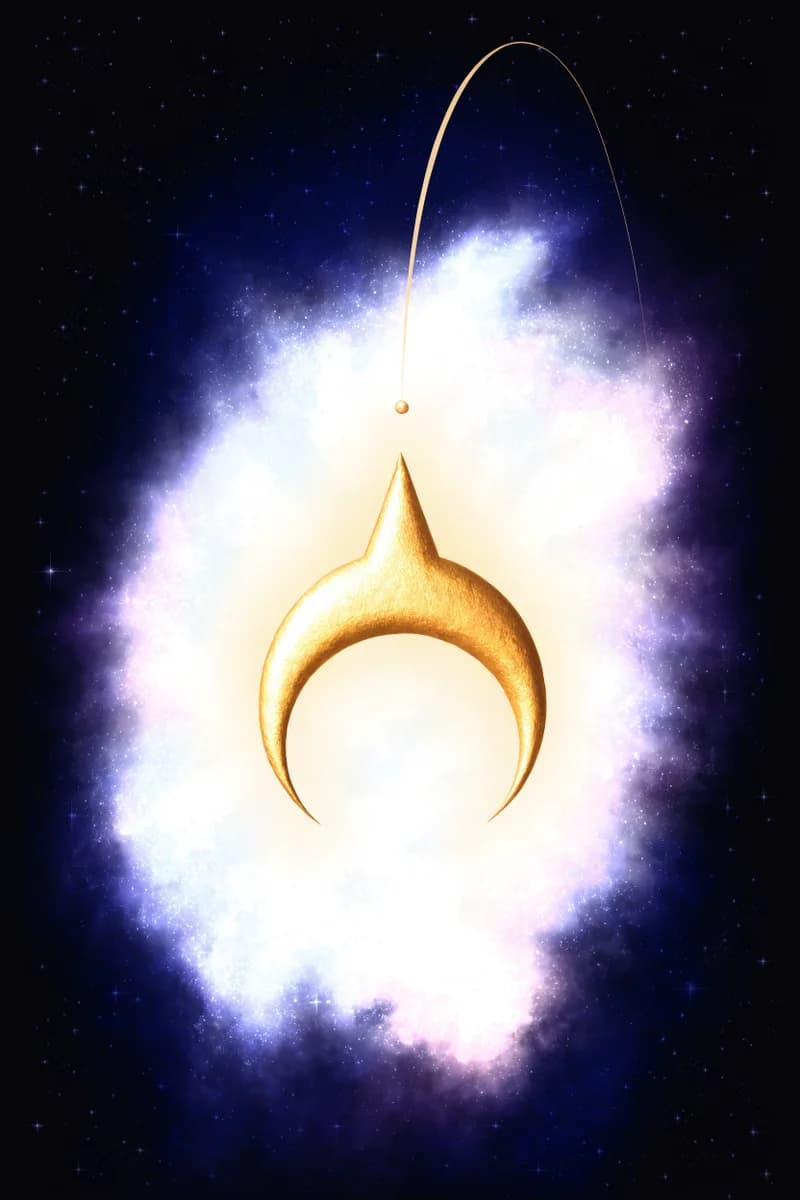
Of all the points in a birth chart, the north node is the one people find most meaningful — because it isn't about who you are, it's about who you're becoming. Together with its opposite, the south node, it maps a path of growth that many astrologers call your soul's purpose or karmic direction.
What the nodes actually are
The lunar nodes aren't planets — they're two mathematical points where the Moon's orbit crosses the Sun's path. They sit exactly opposite each other in your chart. The north node and south node always fall in opposing signs (and houses), forming an axis of where you've been and where you're headed.
The south node: your comfort zone
The south node represents qualities that come naturally — gifts you arrived with, habits that feel safe, the patterns you fall back on under stress. They're easy, but leaning on them too hard keeps you stuck. Think of the south node as your default setting.
The north node: your growth edge
The north node, in the opposite sign, points to the unfamiliar qualities you're here to develop. It often feels awkward or scary at first, because it asks you to stretch beyond what's comfortable. But moving toward your north node is where astrologers say real fulfilment and progress come from.
How to find and use yours
You can find your north node sign from your birth date. Once you know it, read both ends of the axis: honour the south node's gifts, but consciously lean into the north node's lessons when you have a choice. It's less a prediction than a compass — a reminder of the direction your growth wants to take.
More from the blog
What Is a Birth Chart? A Beginner's Guide
Your birth chart is a snapshot of the sky the moment you were born — here's what every part of it means.
Your Big Three: Sun, Moon & Rising Signs Explained
Sun, Moon and Rising — the three signs that define you, and why your star sign is only a third of the story.
How to Read Your Birth Chart, Step by Step
The birth chart wheel can look intimidating. Here's a beginner-friendly order to read it in.